Belarusian teenagers studying in Poland questioned by KGB during holidays

The KGB of Belarus / Калаж Еўрарадыё
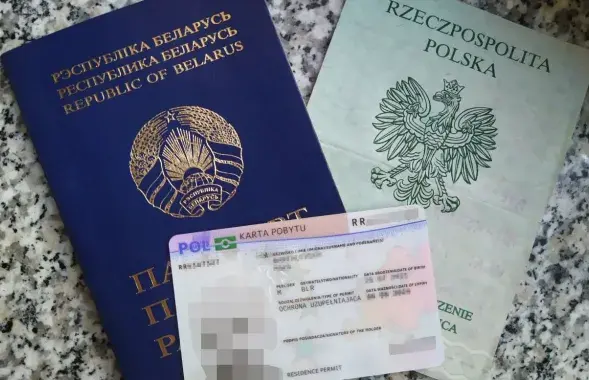
The Belarusian KGB is summoning underage teenagers who study in Poland for interrogations upon their return to the country during school holidays. Euroradio learned about this from families who found themselves in such a situation.
According to sources, security service officers called a teenager after he arrived in Belarus for the holidays. The conversation was lengthy, after which the child was invited to a meeting that took place in the presence of the parents.
The teenager was questioned about his studies at a Polish lyceum, about his relationships with Polish people and Belarusian friends, his phone was examined and contacts were copied. He was also asked whether the child participates in "events" [possibly referring to events organized by democratic forces].
There are also known cases of schoolchildren being summoned to the KGB.
Political commentator Vital Tsyhankou had already drawn attention on Euroradio's airwaves, while commenting on the recognition of EHU as an "extremist organization," that the event could escalate into the persecution of all schoolchildren and students studying abroad. As we can see, the forecast is coming true.
— By this logic, how does EHU differ from the University of Prague or the University of Washington in this case? [...] Legally and formally, they [the Belarusian authorities — ed.] have declared a foreign university an "extremist organization." The key point here is not only that, but how many people could potentially be affected.
What does a lawyer say?
Lawyer of NAU and delegate of the CR Mikhail Kirylyuk says that calls to teenagers from security services are possible, but only in cases where they are warranted by situations requiring urgent intervention. However.

— From a legal standpoint, one needs to understand what questions are being asked. If you witnessed a crime — that is one thing, but if it is "did you see your friend posting political comments or taking part in rallies" — that is not a legal matter, but political persecution.
The story described above, according to Kirylyuk, indicates that the services are thereby attempting to find informants and potential victims for cooperation.
— I would categorically advise against engaging in this cooperation. Even if they threaten you, because this is the Belarusian KGB. It will always deceive you and cast you in a bad light. Especially since we know that Lukashenko's authorities are even suspected of contract killings in Switzerland (the trial in the Horaўski case was recently postponed).
I would recommend avoiding direct conversations. One must use common sense, because war is war. You have to understand that this is a paramilitary organization, and they behave as in a hybrid war, and therefore you need to behave accordingly: "I don't know," "I don't remember," "I don't communicate with anyone," "I have friends, but I don't remember addresses or phone numbers." Give the minimum possible amount of information and show that there is nothing to be gained from you.
Don't be afraid of being seen as completely clueless.