At least 9,500 people have faced political persecution in Belarus since 2020

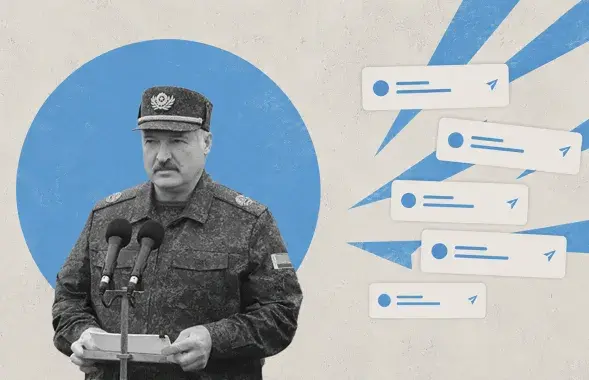
The number of political prisoners does not reflect the full scale of the repression in Belarus / LookByMedia
Since May 2020 and through March 2026, at least 9,594 people have faced politically motivated criminal prosecution in Belarus. Of them, at least 8,304 have been convicted, including in trials held in absentia. These figures are presented in a report by human rights organizations and the BELPOL initiative. The report paints a large-scale picture of political repression in Belarus.
As of March 31, 2026, 911 political prisoners remained behind bars, including 118 women. Another 3,660 people are classified as former political prisoners — individuals released after serving their sentences, receiving pardons, or having their preventive measures changed.
The authors of the report argue that the number of political prisoners does not reflect the full scale of the repression. According to their estimates, current and former political prisoners account for less than half of all citizens who have gone through politically motivated criminal prosecution.
The report describes how, following the 2020 election, the Belarusian authorities gradually expanded repressive practices: criminal cases for participating in protests, posting on social media, giving interviews to independent media, making donations, using national symbols, and maintaining contacts with organizations designated as extremist.
The highest number of new politically motivated criminal cases was recorded in 2022, with 2,363 cases. Since 2024, the authorities have begun concealing some information about court hearings and verdicts, making the work of human rights defenders more difficult.
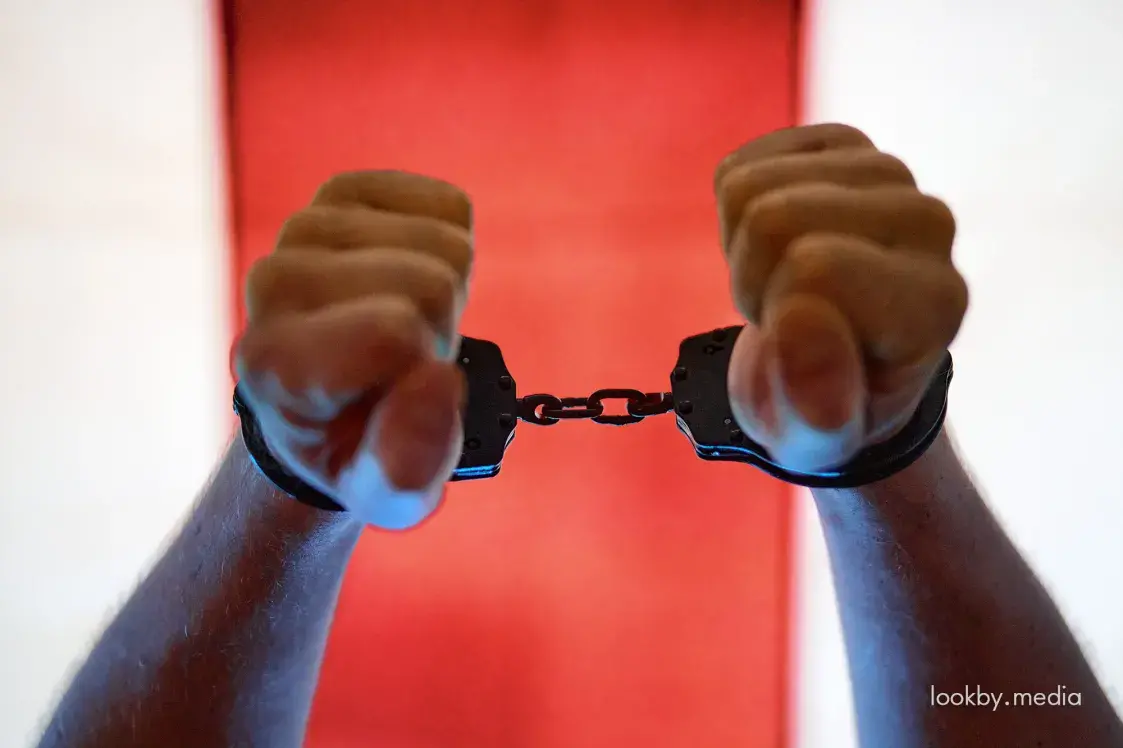
As of April 2026, 669 Belarusian citizens had been added to the KGB of Belarus “terrorist” list, while 6,448 people and around 300 organizations were designated as “extremist”.
The international community often assesses the situation solely by the number of political prisoners, although in reality the repression affects a far larger number of people.
A separate section of the report focuses on former political prisoners. The authors note that after release, many remain under the control of security services: they are required to report regularly to the police, face restrictions on movement, difficulties finding employment and financial limitations.
In 2025–2026, the Belarusian authorities carried out several waves of pardons and releases of political prisoners. In 2025, the release of 293 people was announced, followed by another 250 in the first quarter of 2026.
However, the authors of the report argue that these releases do not indicate any softening of government policy. They say the number of new cases of political persecution continues to exceed the number of people released.
/ automated translation