No progress, no visit? Expert explains delay of John Coale’s Minsk trip

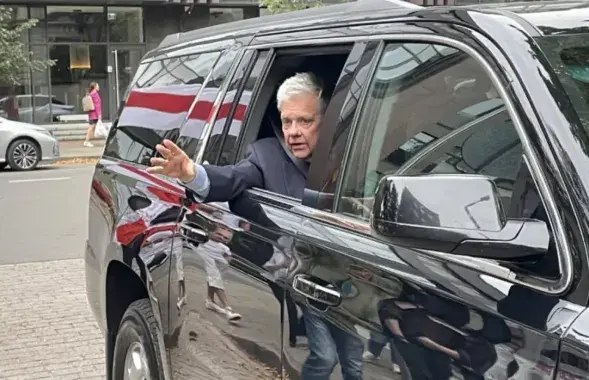
U.S. Special Envoy for Belarus John Coale / "Позірк"
Why did U.S. Special Envoy for Belarus John Coale not travel to Minsk to secure the release of political prisoners, despite having announced the visit? Can Sviatlana Tsikhanouskaya and other representatives of the democratic forces influence Donald Trump’s decisions in any way, and how should they conduct themselves?
Euroradio put these questions to international security expert and Lawfare Institute researcher Katsiaryna Shmatsina.
“I believe that if potash isn't on the table, there is nothing to discuss,” the expert says. “Washington’s interest in Belarus is pragmatic. If there is no progress on that front, it also affects the humanitarian track.”
Can the democratic forces influence these processes in any way, or does Tsikhanouskaya’s word carry no weight, as propagandists like to claim?
“When meeting with U.S. senators, it becomes clear that they are familiar with Sviatlana Tsikhanouskaya’s name and know about the Belarusian democratic forces,” the researcher replies. “They express symbolic support because they understand that our democratic forces are fighting for a great and worthy cause. In a certain sense, this is a reputational achievement — they are recognized, and that recognition remains.”
“At the level of public rhetoric, I think the democratic forces are acting within the limits of what they can do. Their rhetoric should probably remain along these lines: diplomacy, symbolic statements, and similar efforts.”
“At the same time, I think the democratic forces need to do some serious brainstorming and understand their actual level of recognition and connection with Belarusians inside the country. They should also consider what real leverage or practical resources they have. Because we see that Lukashenka continues to maintain control over the entire territory of Belarus and its resources — and he is selling those resources to Washington quite effectively.”
“If you are opposing this only at the level of ideas and handshakes, that is admirable, but you also need pragmatism and should build your strategy accordingly.”
“I do not know exactly what contacts and resources the democratic forces can offer. But I would like to see a more realistic assessment of their position and a clearer understanding of how to position themselves in these negotiations.”
The discussion comes amid ongoing U.S.-Belarus contacts over the release of political prisoners. Earlier this month, Sviatlana Tsikhanouskaya told Reuters that Washington had informed her of a delay in the next planned releases, though she said she was not concerned about the reasons behind the postponement. Tsikhanouskaya stressed that the process had not ended and pointed to a recent statement by U.S. Special Envoy for Belarus John Coale, who wrote: “We are not finished. Keep hope alive!”