"After 4 years, I've learned not to notice it." Belarusians speak about the war in Ukraine

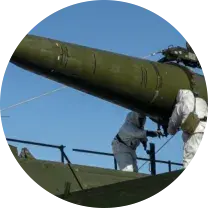
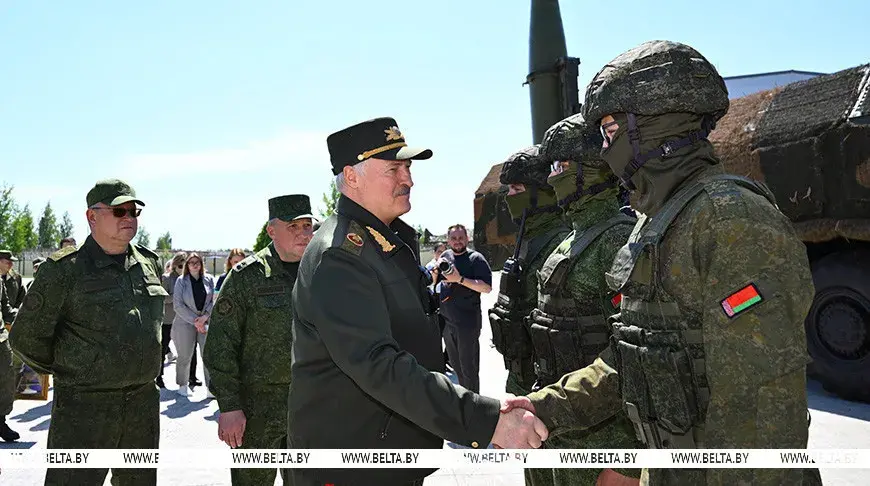
Belarusian servicemen during joint nuclear drills between Belarus and Russia, May 21, 2026 / president.gov.by
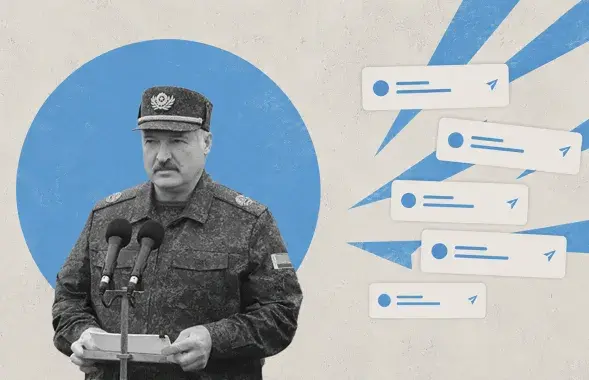
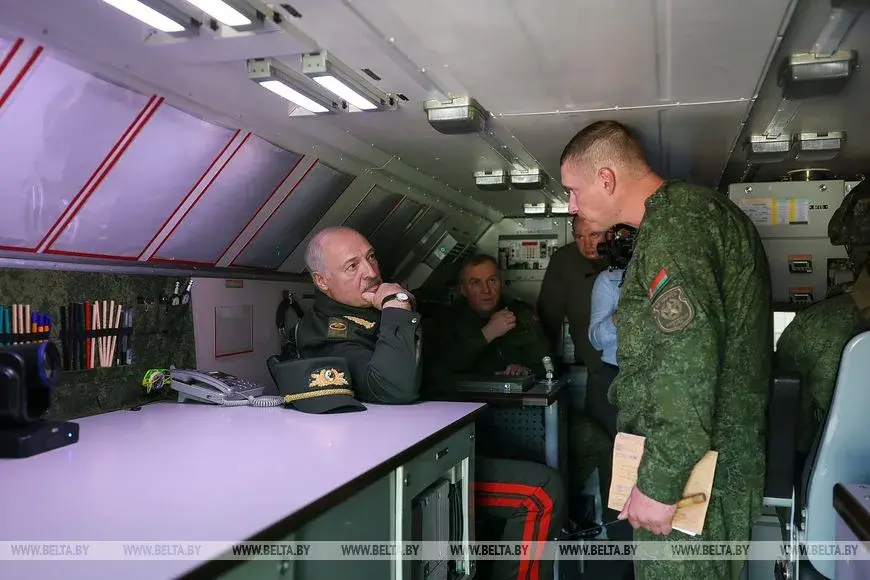
Alexander Lukashenko once again spoke about the possibility of war. He made the remarks while observing joint nuclear exercises with Russia held in the Asipovichy district.
“So if we are drawn into a war, including against Ukraine, it will happen only in one case — if aggression is committed against us. We are not going to get involved in the war in Ukraine. There is absolutely no need for it — neither civilian nor military,” the politician said.
Euroradio spoke with Belarusians who remain in the country about whether news about the war reaches them and how they react to it.
For security reasons, the interviewees’ personal details have been changed.
Sviatlana, a pensioner who works at a school and lives in the Minsk region:
“I don’t watch television. Whatever I see on YouTube or TikTok is what I know. We have exams at school now, last bell ceremonies — there’s always no time. The exams are over, and soon we’ll have to deal with children’s summer camps.
I watch positive videos: children singing, dancing. And I try not to watch destroyed dormitories. And I think both Russians and Ukrainians need to come to their senses. There will be no winners in this war.”

“In general, no one in my circle brings up or discusses the topic [of the war]. Everyone hopes our authorities won’t be the first to start anything. Though people are very afraid that someone could attack us.”
Vadzim, a game developer living in Minsk:
“After four years of war, I’ve learned not to notice it.
Not because I don’t care — I truly feel sorry for everyone whose homes and lives are being destroyed because of political games. I am definitely on Ukraine’s side, but, cynical as it may sound, as long as it doesn’t affect me directly, I try to live accordingly. I don’t read the news, don’t watch television, don’t spend time in public channels — during the first year of the war, I got too exhausted from all of it.
I learn about important things happening in the world from friends. So state propaganda can’t reach me. And this is actually the first time I’ve heard that the topic is being actively pushed in our society.
My social circle lives in roughly the same vibes. Everyone is tired of both the war itself and the news about it. People are annoyed by the restrictions connected to it: sanctions, travel limitations and so on. Everyone is waiting for it to end.
Unfortunately, any ending.”
Aliautsina, an employee at a private construction company living in Minsk:
“I work a lot. I work weekends too — including Saturdays and sometimes Sundays.
I simply don’t have time to think about these events. I hardly watch television. The only thing I really have time for is TikTok, like most young people in our country.
Lately I’ve been following news about Max Korzh’s concert [in Romania].”
“And I did hear Lukashenko’s statement [about the war]. It does create a bit of fear, but I try not to think about it. I try to think about positive things.
At work we practically never discuss this topic, just like politics in general. And I can hardly discuss it with my friends either, because most [of the people I know] don’t even acknowledge or understand [the ongoing war]. For example, I have a university friend who supports these policies, but she tries not to talk about it. Today, for instance, someone at work mentioned that Kyiv was bombed again — and that was the end of the discussion.
I believe both sides need to stop, because ordinary people are dying. Whenever I see either Russia being bombed or Kyiv being bombed, I always worry about ordinary people.”
Yuliyan, a pensioner living in the Homiel region:
“Quite often I don’t even feel like watching entertainment or other TV programs.
Knowing that people we used to be friends with, fellow students with whom we shared tables in student cafeterias and ate fried potatoes from the pan in dormitories with smiles and joy, may now be in trouble.
They are losing husbands, children, relatives. For what? Why? It would have been so simple not to start this meat grinder in the first place. You inevitably start thinking about many things.
Everyone is busy with their own lives: summer houses, children, vacations. Whatever is close to them.
Some time ago I spoke with a neighbor from another building. I asked him: ‘What do you think about the elections?’ He answered: ‘Everything suits me. My pension, the fact that there is no war here, and those who took part in the 2020 protests followed the West’s lead.’ After that, I ended the conversation.
What surprises me is the hypocrisy and lies of the man who is supposedly the first person in the country. Overall, there are almost no people around me who seriously think about these things. Maybe that’s just how it has to be.”
Viyaleta, a musician living in Minsk:
“If we are talking about state television, then for at least six years nobody in my circle — including me — has watched it. So I have no idea what they are saying there.”
“At this point, I deliberately avoid reading news about the war — partly to preserve at least some stable state of mind — but information still reaches me indirectly from various sources: you come across something somewhere, or someone tells you about it in conversation.
By now, my psyche seems to have adapted and takes everything more or less evenly, but feelings of sadness, injustice and exhaustion from the whole situation still appear.
The recent reports suggesting that Belarus may become more actively involved in the war do not seem truthful to me, but rather speculative. It is unclear what they are even based on. What is happening inside the country does not look like preparation for any active actions.
Of course, in my social circle the topic of war comes up in one way or another almost every day. Many people react very emotionally and painfully because they are tormented by the inability to change anything or influence the situation.”
Alena, a pensioner living in the Homiel region:
“I think about the war often because it is happening in a neighboring country and we live very close to the Ukrainian border.
These thoughts cause me anxiety and sympathy for the Ukrainian people. I try not to pay attention to what our authorities say — I do not watch state TV channels, do not listen to the radio and avoid political programs.
Among close friends and family, we rarely discuss the war, mostly when the topic concerns safety or the news. In 2022, we talked about it much more because the war directly affected our family — one of our relatives went to fight.
Now we try to discuss this subject less and think more about something positive, because we understand that we cannot influence what is happening.”
Support independent Belarusian journalism. We work every day to provide Belarusians with truthful and independent reporting, but many of our readers inside Belarus cannot support us because of ongoing repression. You can help by making a donation on Patreon.